
Best Practices Note: Anti-Tobacco Campaign and Awareness Rally
Department of Dentistry and TCC(Tobacco Cessation Center) 2026
The Anti-Tobacco Campaign and Awareness Rally organized by our institution stands as a significant public health initiative aimed at reducing tobacco use and promoting a tobacco-free society. Conducted under the framework of the National Tobacco Control Programme (NTCP), the activity integrated community outreach, student engagement, and health education to create a meaningful and lasting impact.
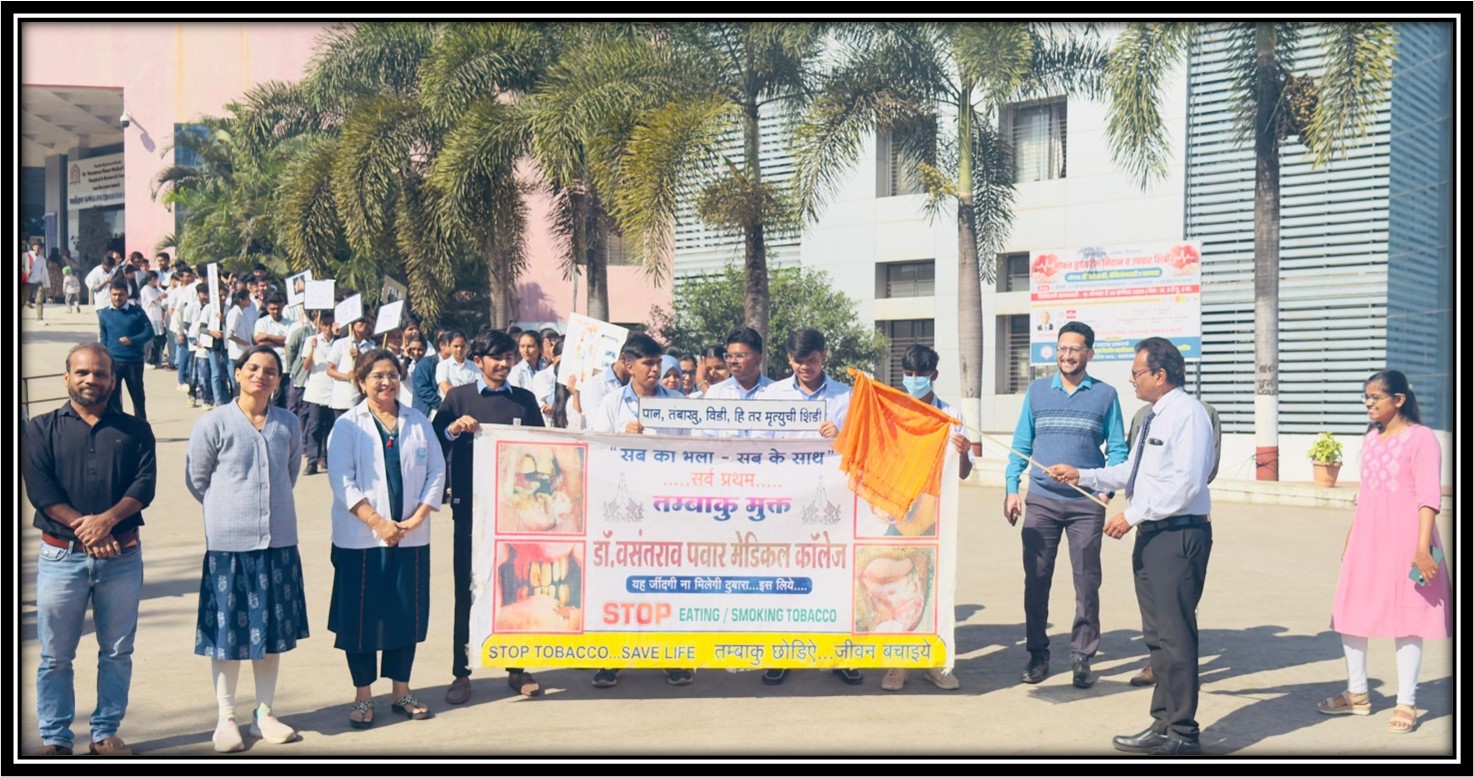
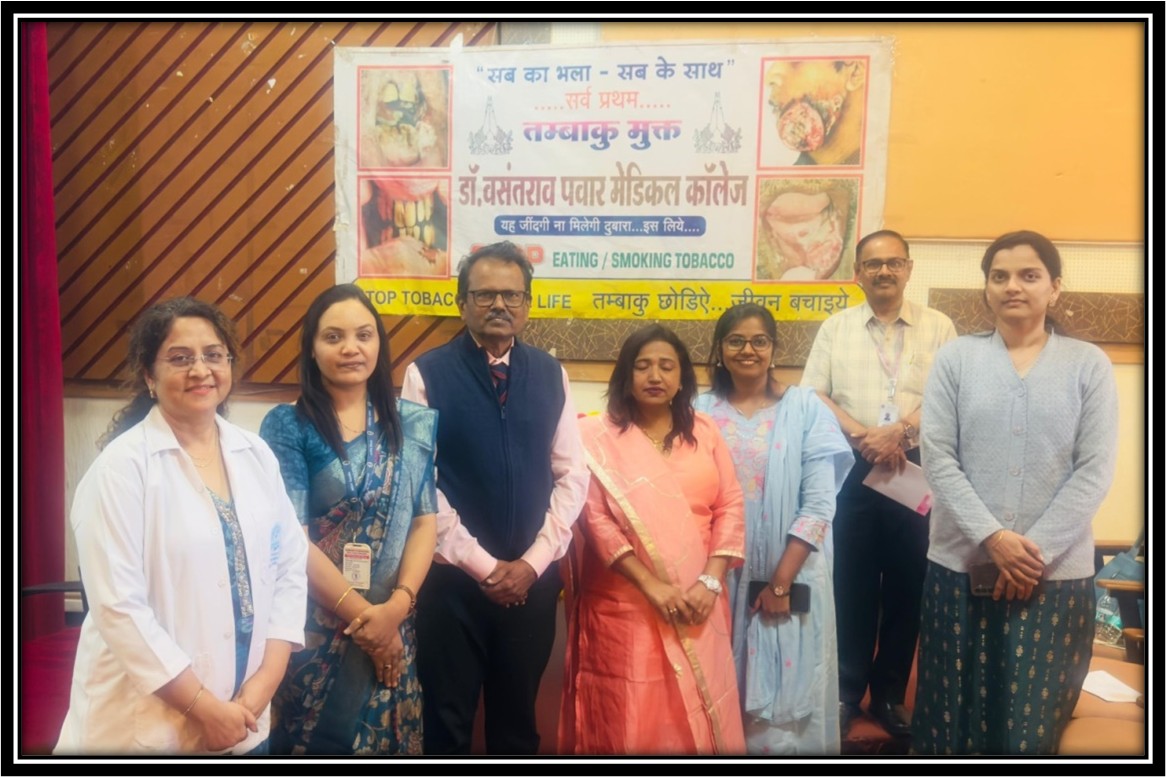
A key best practice was the multidisciplinary involvement in planning and execution. Faculty members, dental and medical students, nursing staff, and administrative teams collaborated effectively, ensuring a well-coordinated program. The inclusion of the Tobacco Cessation Centre team added clinical relevance, allowing the campaign to move beyond awareness into actionable guidance for quitting tobacco.
The rally component served as a powerful visual and social tool. Participants carried placards with impactful slogans, disseminated educational messages, and engaged directly with the public. Selecting a high-footfall route maximized visibility and community participation. Prior permissions from local authorities ensured smooth conduct, highlighting the importance of administrative planning. Another notable best practice was the emphasis on evidence-based health education. Informational materials such as pamphlets and posters were designed using scientifically validated content, focusing on the harmful effects of tobacco, early signs of oral cancer, and benefits of cessation. The use of local language alongside English improved accessibility and comprehension among diverse population groups.
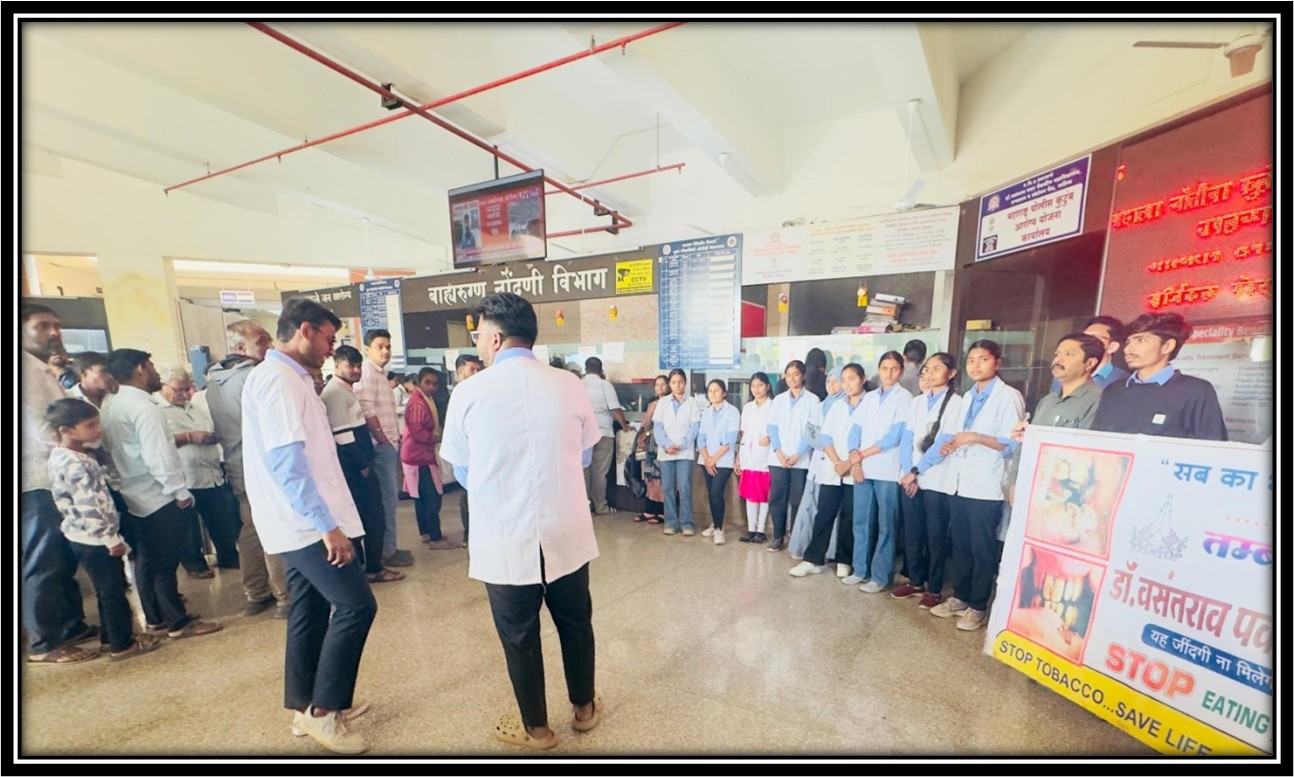
The campaign also effectively utilized interactive engagement strategies. Street plays, slogan chanting, and brief awareness talks helped capture public attention and encouraged dialogue. Students were trained beforehand to communicate key messages confidently and empathetically, enhancing the quality of outreach.
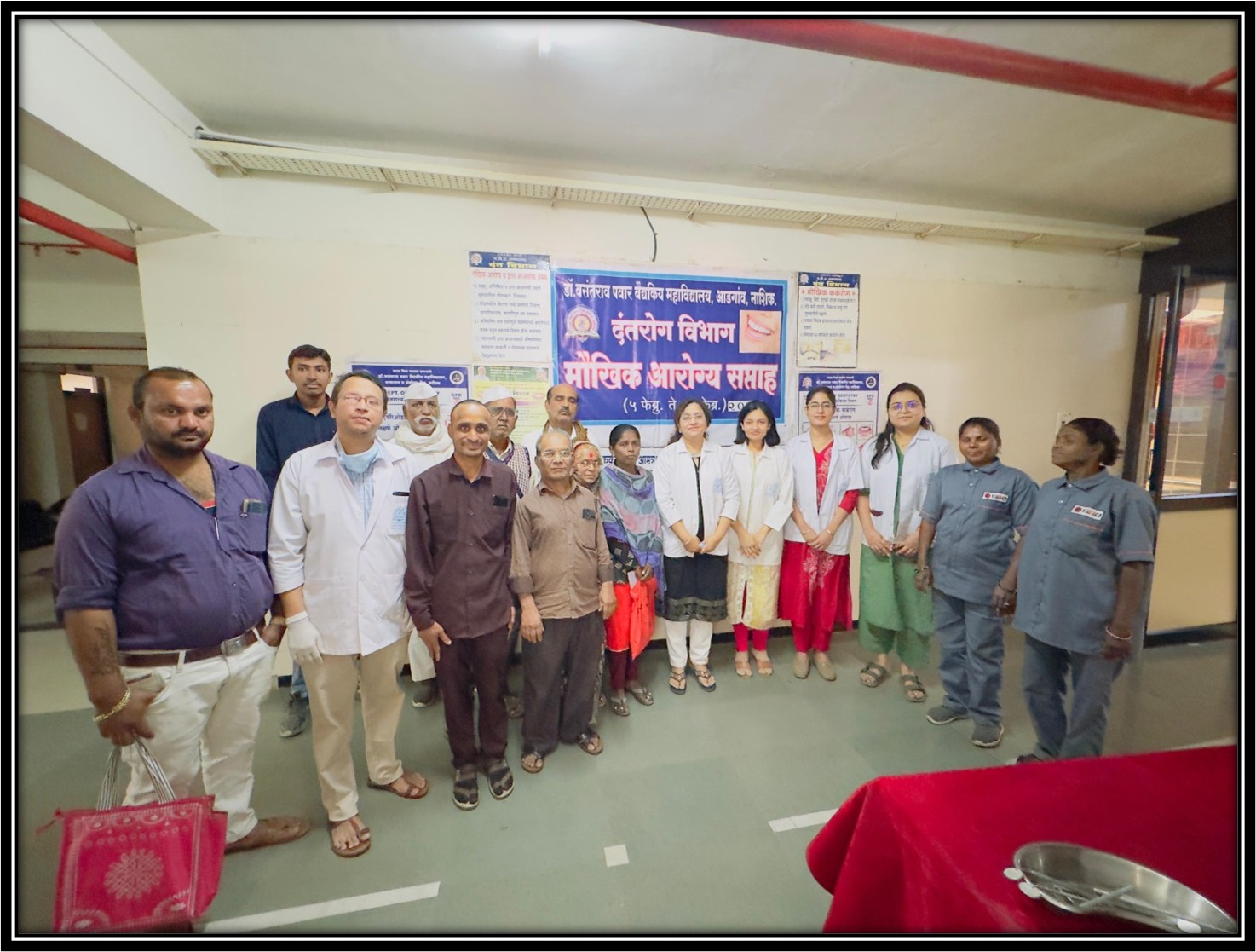
Integration with screening and counseling services was a crucial strength. Individuals identified as tobacco users during the rally were directed to the Tobacco Cessation Centre for further evaluation and support. On-the-spot counseling and referral mechanisms ensured continuity of care, transforming awareness into intervention. The initiative demonstrated strong student involvement and capacity building. Students actively participated in organizing, communicating, and leading segments of the rally. This experiential learning approach not only enhanced their understanding of public health but also fostered leadership and social responsibility. Effective documentation and reporting were maintained throughout the event. Photographs, attendance records, and activity reports were systematically compiled, which is essential for institutional records, accreditation purposes, and future program planning. The campaign also highlighted the importance of community collaboration. Engagement with local bodies, schools, and public groups strengthened outreach and reinforced the message at the grassroots level. Such partnerships are vital for sustaining long-term behavioral change. Finally, post-event evaluation was undertaken to assess the reach and effectiveness of the campaign. Feedback from participants and organizers provided insights for improvement, ensuring that future programs can be even more impactful.
In conclusion, the Anti-Tobacco Campaign and Rally exemplified a comprehensive, well-structured, and community-oriented approach. By combining awareness, engagement, and clinical support, it serves as a model best practice for public health initiatives targeting tobacco cessation.